How to Tell If Your Dental Crowns Need Replacement
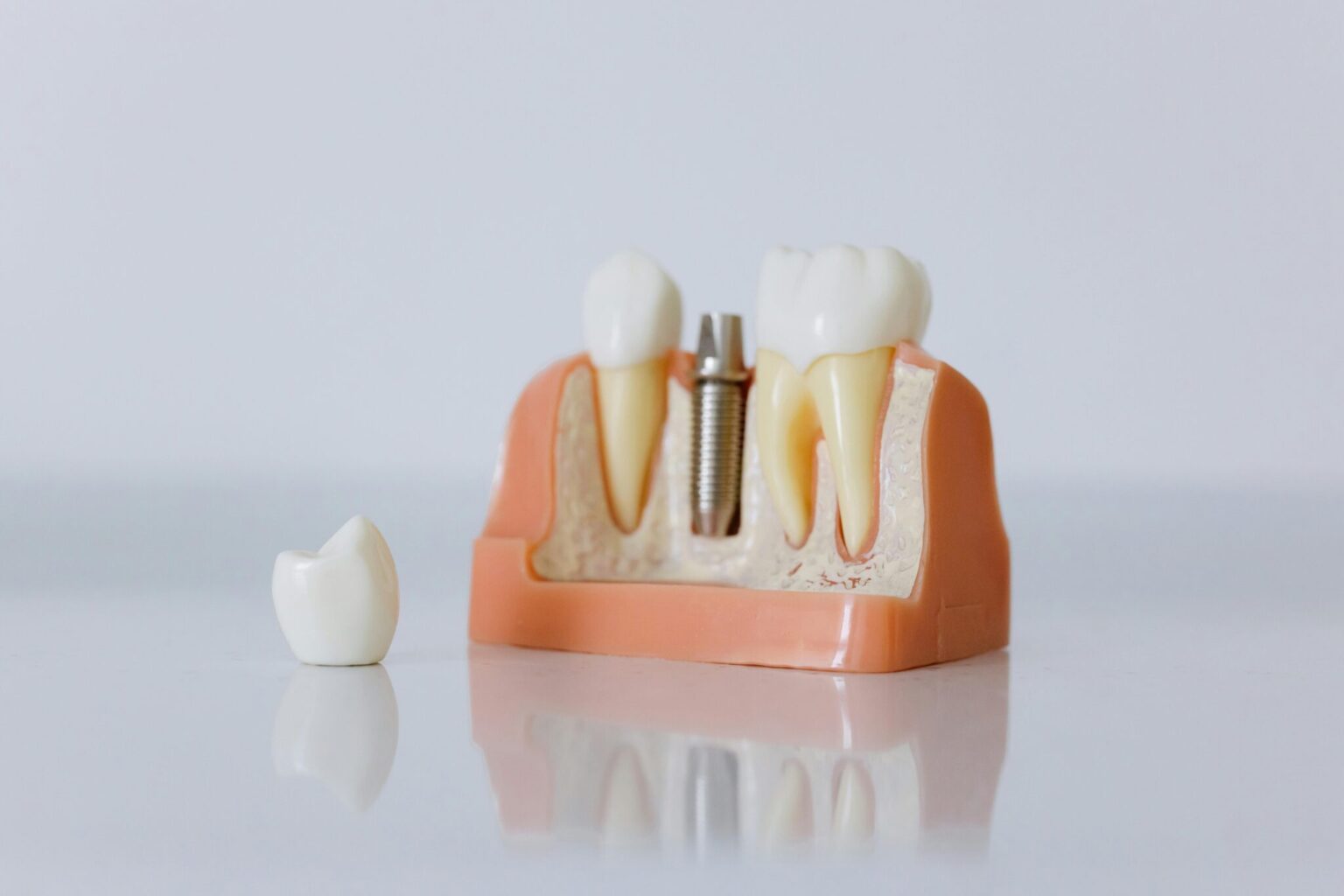
A well-made crown can serve quietly for years. Most patients stop thinking about it once the tooth feels normal again, and that is usually the point. A crown is meant to restore strength, protect a compromised tooth, and blend into the rhythm of eating, speaking, and smiling without drawing attention to itself.
But Dental Crowns do not last forever. Materials age. Cement can loosen. The tooth underneath can change. Bite forces can shift in ways that are subtle at first and then suddenly impossible to ignore. The challenge is that many failing crowns do not announce themselves dramatically. More often, they send small signals that are easy to dismiss, especially if the crown still looks acceptable from the front.
Knowing what those signals mean can help you act before a minor repair turns into root canal treatment, gum damage, or loss of the underlying tooth. In practice, the best outcomes usually happen when people come in because something feels slightly off, not when a crown has already split, fallen out, or caused weeks of discomfort.
Crowns are durable, not permanent
Patients often ask how long a crown should last, and the honest answer is that it depends on the material, the condition of the tooth underneath, bite habits, oral hygiene, and plain wear over time. In many cases, a crown may last 10 to 15 years. Some fail earlier. Some hold up much longer. I have seen beautifully maintained crowns still functioning after two decades, and I have also seen crowns that needed replacement in five years because the bite was too heavy or decay started at the margin.
That range matters because people sometimes hear that crowns are “permanent” and interpret that as “never needs attention again.” In dentistry, permanent usually means fixed in place, not eternal. A crown sits in a difficult environment. It handles moisture, temperature swings, acid exposure, chewing pressure, and, in many patients, nighttime grinding. Even excellent dentistry has limits when it is tested thousands of times a day.
The first clue is often a change in sensation
One of the most reliable signs that a crown may need replacement is a change in how the tooth feels. Not severe pain necessarily, just change. A crowned tooth that suddenly becomes sensitive to cold, aches when you bite, or feels slightly high can be telling you that the crown, the cement seal, or the tooth beneath it is no longer stable.
Cold sensitivity is especially important if it appears after a long period of comfort. A newly placed crown can be sensitive for a short time, but an older crown that becomes cold-sensitive deserves a closer look. Sometimes the issue is recession at the gumline exposing part of the root. Sometimes it is recurrent decay where the crown meets the tooth. Sometimes the margin has opened enough to allow fluid and bacteria to irritate the tooth.
Biting discomfort has its own pattern. Patients often describe it as “fine when I’m not using it, but sore when I chew on that side.” That can point to a loose crown, a crack in the underlying tooth, or an uneven bite concentrating too much force on one cusp. The detail that matters is timing. Pain on pressure, pain on release, a brief zing, or a dull throb after eating all suggest slightly different problems.
A crown rarely gets better on its own once symptoms start. There are exceptions, but waiting usually narrows your options.
The margin tells an important story
The margin is where the edge of the crown meets the natural tooth. If you look closely in the mirror, you may notice nothing unusual. That does not mean the margin is healthy. Margins fail in small ways long before the damage is visible to a nonprofessional eye.
Dentists pay close attention to this area because it is where decay often begins around a crown. Bacteria do not need a large opening. A tiny gap, rough edge, or area that traps plaque can be enough. Patients sometimes notice that floss catches at one spot, or that the gum around one crowned tooth is always a bit red even though they brush well. Those are practical warning signs, not cosmetic trivia.
If the crown was placed many years ago, the margin may also become more obvious because the gum has receded. You might see a darker line near the gumline, especially with older porcelain-fused-to-metal crowns. Not every dark line means the crown has failed, but it often signals that the restoration is aging, the esthetics have changed, or the seal is no longer ideal.
A loose crown is never a small issue
If a crown feels like it moves, lifts, or twists even slightly, it needs prompt attention. Some patients only notice it when they eat sticky foods. Others say it feels “squishy” or different when they tap it with their tongue. Occasionally the crown comes off completely, and people are surprised that the tooth underneath looks much smaller or discolored. That appearance is normal for a prepared tooth, but it is not a sign that the situation can wait for months.
A loose crown creates two immediate problems. First, bacteria can reach the tooth underneath, where decay can progress quickly. Second, the crown itself may be damaged or distorted if it is repeatedly removed and reseated, especially if someone tries to force it back into place without knowing whether the fit is still accurate.
Sometimes a loose crown can be recemented. Sometimes it cannot, particularly if decay, fracture, or poor fit caused the loosening in the first place. The decision depends on why it came loose, not just on whether it still seems to sit on the tooth.
What patients notice at home
Most people do not diagnose a crown failure from appearance alone. They notice habits changing around the tooth. They chew on the other side. They avoid cold drinks. They feel food packing between teeth that used to be easy to clean. They mention a strange smell around one area or a taste that returns after flossing. These details may sound minor, but they are often more useful than a vague report of “something feels weird.”
The most common signs worth taking seriously include:
- Pain or sensitivity that is new, especially to cold or pressure
- A crown that feels loose, high, rough, or different when biting Dental Crowns Omni Dental Specialty
- Gum irritation, bleeding, or a persistent bad taste around the crowned tooth
- Visible chips, cracks, wear, or a dark line at the edge of the crown
- Food trapping or floss shredding around the crown margin
None of those signs proves that replacement is necessary, but each one justifies an exam. The longer those symptoms persist, the less likely the fix will be simple.
Chips, cracks, and wear do not all mean the same thing
Not every damaged crown has to be replaced immediately, and not every small flaw is harmless. Material matters here. A solid zirconia crown behaves differently from layered porcelain. A gold crown wears differently from ceramic. A porcelain chip on the chewing surface may be mostly cosmetic in one case and functionally significant in another if it changes the bite or exposes a rough area that accelerates wear.
Patients are often surprised when a crown looks intact from the front but shows serious wear on the biting surface. This is common in grinders. Over time, flattened anatomy changes how forces travel through the tooth and jaw. Crowns do not exist in isolation. When one tooth wears down, adjacent and opposing teeth can adapt, erupt, or shift. That can lead to headaches, muscle fatigue, or uneven contacts that damage other restorations.
Hairline cracks are another gray area. Some are superficial in the porcelain glaze and can be monitored. Others travel deeper and weaken the structure enough that replacement becomes the safer choice. It is difficult to judge that distinction at home. If you notice a line, a sharp edge, or a piece missing, it is worth having it checked before it becomes an emergency.
The tooth under the crown can fail even if the crown looks fine
One of the more frustrating realities in restorative dentistry is that a crown can appear serviceable while the underlying tooth is not. This happens because the crown is only the outer shell. The real long-term prognosis depends on the tooth underneath, the root support, and the quality of the seal at the margin.
Decay can begin under the edge of a crown and remain hidden until it is large. In other cases, the tooth develops a crack that travels beneath the restoration. A tooth that has had multiple large fillings before the crown was placed may have very little natural structure left. That does not mean the crown was a mistake. It means the crown was part of a rescue plan, and rescue plans always depend on what remains.
I often explain it this way: the crown may still be doing its job, but the foundation may be changing. If you have a history of clenching, large old fillings, or root canal treatment, regular checks become even more important because those teeth tend to fail in less obvious ways.
Gum changes can point to crown problems
Healthy gums usually tolerate a well-contoured, well-fitting crown very well. When the gum around one crowned tooth stays puffy, bleeds easily, or looks darker than the neighboring tissue, there is usually a reason. Sometimes the contour of the crown makes plaque harder to remove. Sometimes the edge of the crown is rough or overextended. Sometimes there is excess cement left behind, particularly after recent placement. And sometimes the gum is reacting to decay or a margin that no longer fits closely.
This is one area where timing helps. If the crown was placed recently and the gum remains irritated after the first few weeks despite careful cleaning, the fit or contour may need adjustment. If the crown is older and the gum starts changing suddenly, it raises suspicion for a new problem.
Bleeding around one tooth is easy to dismiss as “I flossed too hard,” but if it keeps happening in the same place, it is rarely random.
Bite changes are easy to underestimate
A crown that is only slightly too high can create surprisingly large symptoms. Patients may clench more around it, wake with tenderness, or feel that one tooth touches before the others. Over time, that extra pressure can inflame the ligament around the tooth, making it feel sore or “bruised” when biting.
The opposite can also happen. If a crown wears down, chips, or the surrounding teeth shift, the bite can become unstable. The crown may not hurt, but the jaw may. Some people report that their teeth no longer fit together comfortably. Others begin chewing on one side without realizing it.
Because these changes are often gradual, people adapt and stop noticing them until another symptom appears. That is one reason routine exams matter even when nothing feels urgent. Bite problems can often be corrected more easily when caught early.
When replacement is more likely than repair
There is no single rule, but certain situations push the decision toward replacement rather than a small adjustment or recementation. If the crown margin is open or decayed, if the restoration has a significant crack, if the underlying tooth structure is compromised, or if esthetics have changed enough that the crown no longer matches the smile, replacement usually makes more sense than patching.
A well-made patch can buy time in selected cases. For example, a small chip in noncritical porcelain may be smoothed or repaired. A crown that came off cleanly without decay may sometimes be recemented. But these are selective decisions. A recurring problem usually means the original restoration has reached the end of its useful life.
This is where judgment matters. Replacing a crown too early removes additional tooth structure and increases cost. Waiting too long risks losing the tooth or needing more invasive treatment. Good dentistry often lives in that middle space, where the answer is not the most aggressive option or the cheapest short-term fix, but the one that protects the tooth best over the next decade.
What happens during the evaluation
If you come in with concern about a crown, the exam is usually straightforward. The dentist will look at the margin, test the bite, assess gum health, and check whether the crown or tooth is tender. X-rays are often part of the evaluation because they can reveal decay near the crown edge, bone changes, or issues around the root that are not visible from the outside. Sometimes magnification and transillumination help identify cracks.
The conversation matters as much as the image. A patient who says, “It only hurts when I release pressure after biting nuts,” gives very different information from someone who says, “Cold water makes it ache for 30 seconds.” Small details narrow the possibilities quickly.
If replacement is recommended, ask why. The answer should be specific. “There is decay under the margin on the mesial side,” or “the crown is fractured and the bite is stressing the tooth,” is a useful explanation. Vague reassurance or vague alarm helps no one.
When to call sooner rather than later
Some crown issues can wait a few days for a routine visit. Others should be addressed promptly because delay can turn a manageable problem into a more expensive one.
Seek prompt dental care if you notice any of the following:
- The crown has come off or feels mobile
- Pain is increasing, spontaneous, or waking you at night
- Swelling, pus, or a bad taste is coming from the area
- Biting feels sharply painful or the tooth suddenly feels cracked
- A large piece of the crown has broken away
If a crown comes off, keep it clean and bring it with you. Do not use household glue. Temporary dental cement from a pharmacy may be appropriate in some cases, but only as a short bridge until you are seen.
A few situations that confuse people
There are cases where a crown looks suspicious but is still functioning well. An older metal-backed crown with a dark gumline may be structurally sound, and replacement may be driven more by esthetics than urgency. On the other hand, a crown can look beautiful and still be leaking at the margin.
Root canal treated teeth create another point of confusion. Because they often do not respond to temperature the way vital teeth do, patients may assume there cannot be a problem if there is no sensitivity. Yet root canal treated teeth can still fracture, loosen, or develop gum and bone issues around the root. Absence of cold sensitivity does not guarantee health.
Then there is the patient who grinds at night. For them, a crown may fail not because it was poor dentistry, but because the forces are relentless. If you have already broken one crown, or several, replacement should include a discussion about bite protection. Otherwise, the new restoration may simply repeat the old pattern.
How to help your crowns last longer
Crowns benefit from the same daily habits that protect natural teeth, but a few details matter more than people realize. Plaque tends to collect at margins, so gentle, consistent brushing near the gumline and daily cleaning between teeth are essential. A night guard can make a real difference for grinders. Regular exams allow your dentist to catch margin changes, small fractures, and bite issues before they become major problems.
The goal is not to treat crowns as fragile. They are meant to function. But they do better when they are maintained with the assumption that the tooth underneath still needs protection.
A crown should feel boring in the best possible way. If it starts asking for your attention, through sensitivity, looseness, gum irritation, visible wear, or bite changes, take that seriously. Most failed Dental Crowns give warning signs before they become emergencies. Acting on those early signs is often the difference between replacing a restoration and losing far more tooth than anyone wanted.
Omni Dental Specialty
1690 E Gonzales Rd, Oxnard, CA 93036, United States
+1 805-410-9603
FAQ About Dental Crowns
How long do crowns last on teeth?
A dental crown often lasts about five to fifteen years, although some last longer. Material, the underlying tooth, oral hygiene and grinding habits affect longevity. Regular dental examinations help identify wear, decay or a loose crown; no lifespan is guaranteed.
How much does a tooth crown cost?
There is no single price for every crown. Material, laboratory work, the condition of the tooth and any additional treatment affect the fee. Ask for a written estimate and confirm your insurance benefits, exclusions and out-of-pocket costs before treatment.
What is the downside of crowns on teeth?
A conventional crown usually requires irreversible removal of some tooth structure. Possible problems include sensitivity, chipping, loosening and decay at the crown margin; some teeth later need root canal treatment. Discuss your tooth's condition, material choices and suitable alternatives with your dentist.